Rev. Fr. Michael K. V. Chan (1955-2025)

Rev. Fr. Michael Chan Kok Vui, a Priest of the Prelature of Opus Dei, passed away peacefully today while convalescing from a stroke at The National University Hospital in Singapore.

Fr. Michael was born in Tawau, Malaysia, on June 6, 1955. He later joined Opus Dei in February 1983 and was ordained a priest in 1990 at the Shrine of Our Lady of Torreciudad in Spain.

After his ordination, Fr. Michael stayed in Spain to complete his doctoral thesis at the University of Navarre while engaging in pastoral practice.

In June 1991, he was assigned to Manila, where he served as chaplain to a Students’ Centre of Opus Dei at the University of the Philippines. In the following year, Fr. Michael returned to Singapore to help Opus Dei pastorally and in their spiritual activities.

Over the years, he has been involved in the spiritual formation of young people and students, working with individuals from different walks of life to help them live out their faith in their daily lives.

He also served as a spiritual director in the Legion of Mary, a member of the Priestly Life Commission, and the Senate of Priests.

Fr. Michael was 70 years old and had served as a priest for 35 years.

Good and faithful servant, may you rest in peace.

Why Roman Catholics must oppose same-sex marriage?

(I first wrote about this topic on my blog on September 25. Because that post was in Chinese, I’m rewriting it in English for my English-speaking readers.)

In recent years, the issue of same-sex marriage has begun to gain traction in Hong Kong. For example, in 2021 ViuTV released its own BL (Boys’ Love) series “Ossan’s Love”. At first, I was unwilling to watch it because it involves homosexuality, but I eventually treated it as a comedy and ended up watching an episode or two.

As a Roman Catholic, I oppose same-sex marriage as a way of defending the sacraments.

The topic of homosexuality has always existed and cannot be avoided. In the Catholic Church’s consistent teaching, the thinking is clear: homosexual acts are grave sins (see the Sixth Commandment: “You shall not commit adultery”). Yet we increasingly see clergy presiding over marriages for same-sex couples in various places around the world, especially among reformist circles.

The Catholic Church has always guarded the seven sacraments entrusted by our Lord Jesus, including the Sacrament of Matrimony. At the heart of Matrimony are the union of husband and wife and the procreation of children. This is the Catholic understanding of the purpose of marriage: through the visible union of man and woman and the begetting of new life, God’s invisible love is reflected. It also symbolizes the Church as the Bride being “espoused” to Christ the Bridegroom. This is a mystery — sacramental in nature.

ince it is a sacrament, marriage, like the Mass and Confession, is something to be believed and observed, and a means by which God bestows grace; it is not subject to alteration. The Mass cannot be presided over by laypeople; confession cannot be replaced by absolution from a nun; likewise, marriage cannot be redefined to permit same-sex unions.

For Catholics, the sacraments are the Church’s highest forms of worship, gifts from God to the whole Church—visible rites that lead us to God, just as Jesus Christ took on human flesh and became the visible image of God. The sacraments follow this same logic.

Therefore, like Scripture, the sacraments are what Catholics should most cherish and must defend when they face accusations or attacks. A Catholic may not be zealous for a particular form of personal devotion, but cannot be indifferent to the sacraments; otherwise, there would be no difference from being a Protestant.

Why same-sex marriage cannot be admitted to the Sacrament of Matrimony will not be elaborated here; please refer to the Catechism of the Catholic Church. Pastorally, however, we must show respect and understanding to people with same-sex attraction, while not endorsing a “gay lifestyle.”

“Gay” refers to a homosexual lifestyle, including same-sex marriage and same-sex sexual activity. “Homosexual” refers to having a same-sex attraction or inclination, but it does not necessarily mean one engages in such acts.

Having a homosexual inclination in itself is certainly not a grave sin. Because of original sin, humanity has become “disordered”: sin entered the world and gave us various sinful inclinations. A grave sin requires knowingly and freely consenting to temptation; merely having an inclination is not itself a grave sin. Whether one is homosexual or heterosexual, everyone has other sinful tendencies. What God truly abhors is a sinful way of life, not the person. If one is willing to live a life pleasing to God—chastity—then a person with same-sex attraction can, by overcoming personal difficulties, draw closer to God.

A person’s same-sex attraction is often not something chosen knowingly and freely; environmental factors may play a role. For such people, they did not freely choose their sexual orientation. This becomes their cross: they cannot marry; they cannot procreate. Indeed, each of us has our weaknesses and our own crosses. In this respect, those with same-sex attraction and those with opposite-sex attraction are equal: both are called to chastity; both are forbidden from promiscuity; both are forbidden from masturbation.

Therefore, someone with same-sex attraction who does not live a gay lifestyle, who is willing to be chaste and to carry his or her cross, should not be excluded from the Church. Among those with same-sex attraction there are people who strive for chastity, and among heterosexuals there are those who are promiscuous. The key is not the inclination but the way of life.

Catholics should not discriminate against them, just as Christ does not discriminate against sinners. We should ensure they are not treated unfairly or looked down upon because of their sexual orientation. However, when it comes to the sacramental realm, we must acknowledge that marriage is only permitted as a union between a man and a woman.

Spouses ought to protect one another, and the Church — the Bride of Christ — should do everything to defend the sanctity of the sacraments belonging to Christ, the Bridegroom.

The late Bishop Lucas Li Jingfeng of the Diocese of Fengxiang in mainland China, once said:

“In our time, the faith is in crisis: atheistic ideology, heresies and cults, liberalism, hedonism, moral decay, divorce and remarriage, same-sex marriage, sexual liberation, and so on — these are the realities of our era and the challenges the Church must face. What should we do? We must listen to the ‘Spirit of Truth’ promised by Jesus to guide us and walk the path the Apostles walked.”

聖公會神職人員「跳船潮」

最近大家可能都知道,聖公會新一任根德伯里大主教兼普世聖公宗精神領袖會由一位女性主教擔任,是首位擔任該職位的女性。

關於這位新任聖公會根德伯里大主教,有很多報道指那位主教是一名女權主義者,以及她曾經公開支持同性婚姻以及墮胎。

最近筆者在Facebook與英國的教友討論,關於那位主教的公開言論,估計不久將來聖公會的神職人員以及信友可能會「過檔」去天主教會,因為其實在十多年前,有一班聖公會的神職人員因為反對女性出任神職,而決定改信天主教,有見及此當時天主教會特別設立「個別教長管轄區」(Personal Ordinariate),讓前聖公會的神職人員以及信友加入天主教會,而且可以特別容許前聖公會的男性神職人員接受天主教的神職培育,從而可以讓他們接受祝聖成為天主教的神父,兼且可以保留他們的婚姻(如果他們在聖公會擔任神職的時候是已婚)。

所以筆者本人預計很快聖公會會出現一股神職人員「跳船潮」,因為據筆者所知,在英國有很多聖公會的神職人員一來是反對女性出任神職,二來是反對同性婚姻以及墮胎。

加上筆者亦留意到,英國有部份的聖公會教區是沒有女性神職人員,只容許男性擔任該教區的神職人員。

究竟這股聖公會神職人員「跳船潮」幾時會發生?那麼我們就要拭目以待了。

“Archcosplayer” of Canterbury…

I found this tweet shared by Father Z in his blog post; I can say that it is sad but true.

Is that another cosplaying event aside from the Palmarian Church?

Please don’t make me laugh…

分受他人的苦難

相信每一個人都會經歷因為犯錯而感到痛苦的事,而筆者亦不例外。

最近筆者經歷了很大並且從未遇過的困難,一切源自於自己所犯的錯誤,為了一時之間的興奮而不顧及後果,但在筆者感到很痛苦無助的時候,幸好有幾位朋友給了筆者很大的安慰、支持和鼓勵。

記得在聖經裏有這個句子:

「你們反而要喜歡,因為分受了基督的苦難。」(伯前4:13)

其實「喜歡」與「苦難」似乎格格不入,人在苦難中,自然不會感到喜歡,筆者相信也沒有多少人會喜歡苦難。

記得曾經筆者在網上看到了一個關於個人的分享文章,那位文章作者曾經因為自己所犯的錯誤而經歷了很大的困難,然後那位作者的其中一位朋友願意透過守齋去分擔那位文章作者的痛苦。

那麼,甚麼人會「分受基督的苦難」,是被動的還是主動自願的?

而且你有沒有想過自己可以如何主動「分受基督的苦難」?

在玫瑰經的歡喜三端,我們回憶聖母把耶穌帶到世界上來,聖母雖然在各種困難痛苦中,仍為耶穌的誕生而喜樂,為能滿全天主的救恩計畫而喜樂。

筆者撫心自問:「究竟我的喜樂在哪裏?聖母的喜樂是否能帶給我們甚麼啟示?」

其實身為一位輔祭,做輔祭的召叫本身就值得我們喜樂。

天主對我們的召叫,是源自祂對我們的愛,這就是喜樂的根源。

你們願意分受基督的苦難嗎?你會如何分受祂的苦難?你在當中體會到被天主召選的喜樂嗎?

敬拜讚美

昨日筆者參加了由公教青年團體舉辦的活動,其中一個環節是「敬拜讚美」,是一種以音樂以及身體動作的一種祈禱方式。

但重點是,敬拜讚美其實是在一些基督新教團體的聚會中的一種較為流行的祈禱方式,但將這個祈禱方式運用於天主教的聚會當中,筆者覺得有些少問題。

關於敬拜讚美,筆者曾經聽聞過多年前有一位香港教區的神父表示他本人對敬拜讚美的個人看法:

與其中兩位牧師談及流行的「敬拜讚美」。大家都覺得這方式太情緒化,且誇大了「人」的作為和「人」的感受,而「神」變得邊緣化了……我有同感……

筆者雖然個人認為,與其他基督宗派的弟兄姊妹互相交談,實在有不少好處。

作為一位天主教徒,筆者尊重而並不否定新教弟兄們的祈禱、讚美和崇拜形式。這些形式,其實或多或少地,反映著個別宗派的傳統、處境和發展。當中亦有不少可取之處,所謂「What A Friend We Have in Jesus」是也。

筆者所表示保留的,是當天主教徒在「自己」的地方引入這些元素時,所可能引起的混淆和誤會。

其實為天主教徒而言,最典型和實至名歸的「敬拜讚美」,是與「感恩祭」等義的。這裡所指的等義,是一個「identity」,而不只是「包括」。

因此,有些天主教團體將源自其他宗派的某些祈禱形式引進到自家的祈禱活動內,並將之稱為「敬拜讚美」,則不可避免地、將在廣泛信眾心中造成混淆,並有可能對信仰意識做成負面影響。

筆者相信那位香港教區的神父之所以對「且誇大了『人』的作為和『人』的感受」和「『神』被邊緣化」這些體會有所認同,是因為他的反思乃著眼於公教會的禮儀傳統和本質所致。

筆者所希望強調的是:筆者本人並不否定這些形式本身 — 但我們有必要更清楚地界定大家用字的意思,及行為背後的神學思想,且在應用層面上,按必要的原則和需要,而加以適應和調整。

如何使用Gemini AI生成「和小時候的自己合照」

最近興起了一股AI新熱潮,就是用Google的Gemini AI去生成「和小時候的自己合照」,而筆者亦跟風,去生成了和2011年的自己合照。

製作方法其實非常簡單,只要照著以下指令操作,就能快速生成專屬你的童年合照。

首先你要連接VPN,因為在香港地區是不能連上Gemini AI的官方網站,但如果你在香港以外的地區,你就可以直接連上Gemini AI的官方網站。

在Gemini AI,分別選取一張童年照與長大後的照片,上傳至Gemini AI,並貼上以下指令:

這兩張照片是一個小男孩和他長大後的自己,幫我將這2張照片合成在一起,長大後的他,手摟在小時候的肩膀上,並站在一起在一個紅色空間裡自拍,背景為鮮紅色牆壁,鏡頭由下往上,廣角鏡頭從低角度仰視拍攝,如同真實手機照片,2人看著鏡頭,長相跟原始照片儘量一樣,照片要非常逼真。

如果想生成拍立得 (Polaroid) 風格合照,可以使用以下指令:

幫我生成用拍立得相機拍的圖片。沒有明確的拍攝對象或工具。 要看起來像偶然拍到的漫不經心的快照。照片要有輕微的晃動感,暗處照相機閃光燈發出的一定照明要擴散到整個照片上。成年男生單手摟住小朋友,表情和圖片中的一樣。不要換臉。把兩人身後的背景換成白色窗簾。

溫馨提示:記得提供五官清晰的正面照,照片資訊越明確,生成出來的效果就越好!

為什麼天主教徒必須反對同性婚姻?

近年,同性婚姻的議題開始在香港有發跡的跡象,例如在2021年 ViuTV 推出了他們自家製的 BL(Boys’ Love)劇集「大叔的愛」,當初筆者並不願意觀看這套劇集,因為內容涉及同性戀議題,但最後筆者當此劇集為搞笑劇集,所以先至會觀看一兩集。

筆者身為一位天主教徒,反對同性婚姻是對聖事的捍衛。

同性戀議題是一直存在,而且不能逃避。天主教在整個傳統教導裡一直有清晰的思路 — 同性戀性行為是大罪(見十誡第六誡 — 毋行邪淫),然而在世界各地卻不斷出現神職人員為同性伴侶主持結婚的現象,尤其在改革派當中。

天主教會一直堅守吾主耶穌親賜的七項權柄,當中便包括婚姻聖事。婚姻聖事的核心便是夫妻結合、繁衍後代,這也是天主教眼中婚姻的目的 — 透過可見的男女交合和繁衍,反映無形的天主的愛,也是象徵整個教會作為基督的新娘「許配」給作為新郎的基督。這是屬於一種奧蹟,也是聖事層面。既然是聖事,亦即婚姻與彌撒、告解等一樣,都是「必信必遵」,而且是天主施恩的媒介,不容更改。彌撒不能改由平信徒主持,告解不能改為由修女赦罪,同樣,婚姻不能改為容許同性的結合。而作為天主教徒,聖事是教會最尊崇的敬禮,是天主給整個教會的禮物,是透過可見的敬禮來走向天主,正如耶穌基督降生成人,取了人的肉驅,成為天主可見的血肉肖像。聖事也是這般道理。

故此,聖事和聖言一樣均是天主教徒應最珍重的,也必須在遭受指控和攻擊時,作出捍衛。一個天主教徒可以不熱心於個別的靈修方法,但不能不熱心於聖事,否則與新教徒無異。

同性婚姻為何不能被婚姻聖事所接納,此處不詳述之,請參閱天主教教理。但在牧民層面,則必須對同性戀者給予尊重和體諒,但也不能贊同「同性戀生活方式」。

「Gay」是指同性戀的生活方式,包括同性婚姻、同性性行為。「Homosexual」是指同性戀傾向,但不代表他一定會有行為。

然而同性戀傾向本身並非大罪,這是肯定的。世人因為原祖墮落而「失序」,罪惡進入世界,使人本質上出現罪惡的傾向,大罪的定義是在於服從誘惑而明知故犯,但不代表有傾向也是大罪。正如就算是同性戀也好、異性戀也好,也有其他的罪惡傾向。天主真正厭惡的是罪惡的生活,而非罪人本人。只要願意度天主喜悅的生活 – 貞潔,同性戀者也能透過克服自己的困難而走向天主。

一個人有同性戀傾向,很多時候並非因他明知故犯而為之,而是環境因素。對這些人而言他們並沒有自由地選擇自己的性取向。為此這就是他們的十字架 — 他們不能結婚,不能繁衍。的確,我們每個人都有自己的軟弱,都有自己的十字架。在這點上,同性戀和異性戀是平等的,兩者都必須遵守貞潔,兩者都不能濫交、兩者都不能手淫。故若一個同性戀傾向的人,但他不過著同性戀生活,願意貞潔,願意背起自己的十字架,是不應該排斥在教會外。同性戀者有願意貞潔的人,異性戀者也有濫交的人,重點不在傾向,而是生活方式。

故天主教徒不應歧視他們,正如基督不會歧視罪人一樣,應該保障他們不會因自己的性取向而遭受不公平的對待和眼光。但萬一到了聖事層面,就必須承認,婚姻只允許男女結合。

夫妻之間該互相保護,基督的新娘 — 教會,應該全力捍衛作為的新郎的基督 – 聖事的神聖性。

已故內地鳳翔教區的首牧李鏡峰主教曾經說過:「現在,我們的時代,信仰發生危機:無神思想、異端邪教、自由主義、享樂至上、道德淪滅、離婚再婚、同性婚姻、性解放等等,都是我們時代的現實,都是教會需要面對的挑戰,怎麼辦?那就只有聽從耶穌預許的『真理之神』來指引,走宗徒們走過的道路。」

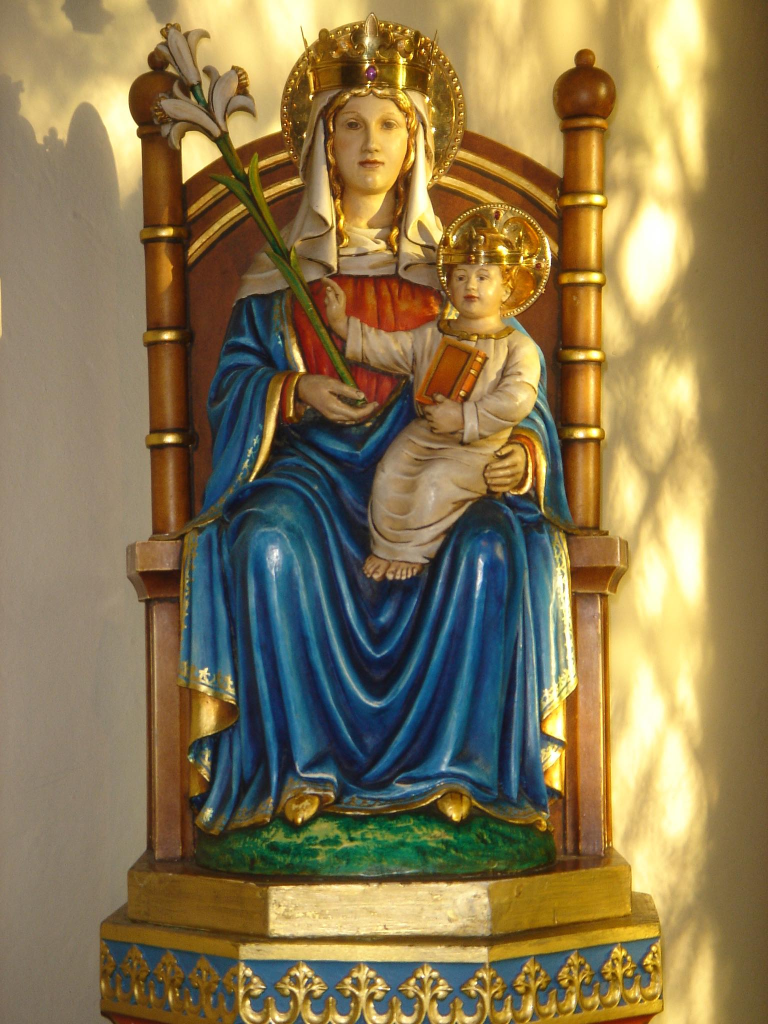
Next stop…Walsingham!

Dear friends,

I wanted to share with all of you that I will be moving to the UK very soon, most likely in late November or early December of this year.

I will be starting my new position as the Mass Office Assistant at the Basilica and National Shrine of Our Lady of Walsingham, which is a renowned Marian pilgrimage site for Catholics in the UK.

That means I will be leaving Hong Kong, my beloved “home sweet home” for 22 years. I know many of you will miss me, especially my family and friends, but please know that you will always be in my prayers!

To all my friends in the UK, especially my friends in London, I am looking forward to seeing you very soon before I head to Walsingham to start my new position!

If you get an opportunity to visit the Basilica and National Shrine of Our Lady of Walsingham, please let me know, and I will be delighted to welcome you to this wonderful and historical Marian pilgrimage site!

Most importantly, please pray for me as I prepare to begin my new journey in the UK!

Our Lady of Walsingham, pray for us!

In Christo Domino,

+Chavez Cyrillus Mariae Poon

感恩經第一式

筆者最近「食飽飯冇嘢做」,翻閱聖週禮儀的《逾越節三日慶典--主的晚餐》,在聖週四「主的晚餐」禮儀的一整頁介紹內,最令筆者矚目的,是關於感恩經的指導建議:

今晚宜用「感恩經第一式」。

也許可以在這裡問一問:大家平時在彌撒中,有沒有曾聽過這篇感恩經?

答案很有可能是:從未。

也許這是梵二後的禮儀改革,在很多人的心中,形成一種「斷層」的原因。在教會內,為數不少的人士,均認為這篇承自傳統拉丁舊禮彌撒的感恩經,不論是當中的概念抑或形式,都已經過時(Out-dated),並與他們不相干(Irrelevant)。

根據羅馬彌撒經書總論第365條:

可遵照下列準則,選擇「彌撒程序」(Ordo Missae)內的「感恩經」:

a)感恩經第一式,亦即羅馬正典(Canon Romanus):(在任何日子,)常可採用。本感恩經,在某些日子,附有特殊的「我們聯合整個教會…」(Communicantes),又在某些彌撒,附有特定的「天主,所以我們懇求你,惠然收納…」(Hanc igitur),因此,在這些日子和這些彌撒,尤其適合採用本感恩經。本感恩經也提及宗徒和某些聖人的名字,因此在他們的慶典上,尤其適合採用本感恩經。本感恩經也適用於主日,除非因牧靈理由,而選擇感恩經第三式。

b)感恩經第二式:因其固有特色,適用於週內的平日,和特殊的情況。本感恩經雖有其固定的頌謝詞,但也可與其他頌謝詞合用,尤其是那些綜合救恩奧蹟的頌謝詞,如通用的頌謝詞。為亡者獻祭時,在「求你也垂念我們的弟兄…」之前,可加念為亡者的特殊經文。

c)感恩經第三式:可與任何頌謝詞合用。本感恩經在主日與慶日尤其適用。若在亡者彌撒中採用本感恩經,在「…仁慈的聖父,求你使散居各處的子女,和你團聚」之後,可加念為亡者的特殊經文。

d)感恩經第四式:附有不可更改的頌謝詞,扼要地陳述整個救恩史。本感恩經可用於沒有專用頌謝詞的彌撒,以及常年期的主日。

在香港,很明顯地是感恩經第二及第三式的使用,佔了絕對優勢。而筆者亦留意到香港大部份的堂區,則是近乎絕對地,採用感恩經第二式。相信很多外藉神父應用本地語言方面的障礙,是其中的一個因素。另一「牧民」理由,則是第二式比較「短」和「簡單」。

按照上述指示,則其實在主日彌撒中,教會是相當鼓勵使用感恩經第一和第三式的;反而第二式則更適合於平日彌撒中使用。

說到這裡,我們就似乎進入了在禮儀的舉行時,在各種合符禮規的做法中,應該如何取捨的問題了。也許可以遲些再返回這題。

在聖週四「主的晚餐」彌撒中,當日的彌撒經文是與感恩經第一式聯繫起來的。大家可以感受一下當中的深義(該日的專有部分,以粗體顯示):

…我們聯合整個教會,慶祝這至聖之日,因為我們的主耶穌基督已為我們犧牲了;我們也首先紀念終身童貞榮福瑪利亞--我們的主耶穌基督天主之母,並紀念聖母的淨配聖若瑟,及你的聖宗徒和殉道者:伯多祿、保祿、安德肋、雅各伯、若望、多默、雅各伯、斐理伯、巴爾多祿茂、瑪竇、西滿和達陡:理諾、格來多、格來孟多、西斯多、高爾乃畧、西彼廉、老楞佐、克利叟高尼、若望和保祿、葛斯默和達彌盎,以及所有聖人;藉他們的功勞和祈禱,求賜我們在一切境遇中,蒙受你的護祐。因我們的主基督。亞孟。

天主,我們懇求你,惠然收納你的僕人和你全家所奉獻的這些禮品:因為我們的主耶穌基督,在這一天,把他聖體聖血的奧跡,託付了他的門徒們,並命令他們以後照樣舉行。求你使我們一生平安度日,脫免永罰,並恩准我們加入你簡選的人群中。因我們的主基督。亞孟。

天主,我們懇求你,降福、接受、嘉納這個祭獻,使成為你歆饗的完美祭獻:就是你鍾愛之子--我們的主耶穌基督的聖體聖血。

他在為了我們和眾人的得救而受難的前一天,也就是今天,把麵餅拿在他神聖而可敬的手中,舉目向天,仰望你、他的全能天主聖父,感謝讚頌你,把麵餅分開,交給他的門徒說…

也許這就是禮儀慶典所紀念「今天」(Hodierna die)所發生奧跡的意義。

不過慶幸的是,筆者留意到最近有部份香港教區的神父都在主日彌撒或一些隆重的瞻禮日或慶日彌撒中採用感恩經第一式,而筆者希望將來香港教區的神父都可以在主日彌撒,甚至平日彌撒中採用感恩經第一式。