Next stop…Walsingham!

Dear friends,

I wanted to share with all of you that I will be moving to the UK very soon, most likely in late November or early December of this year.

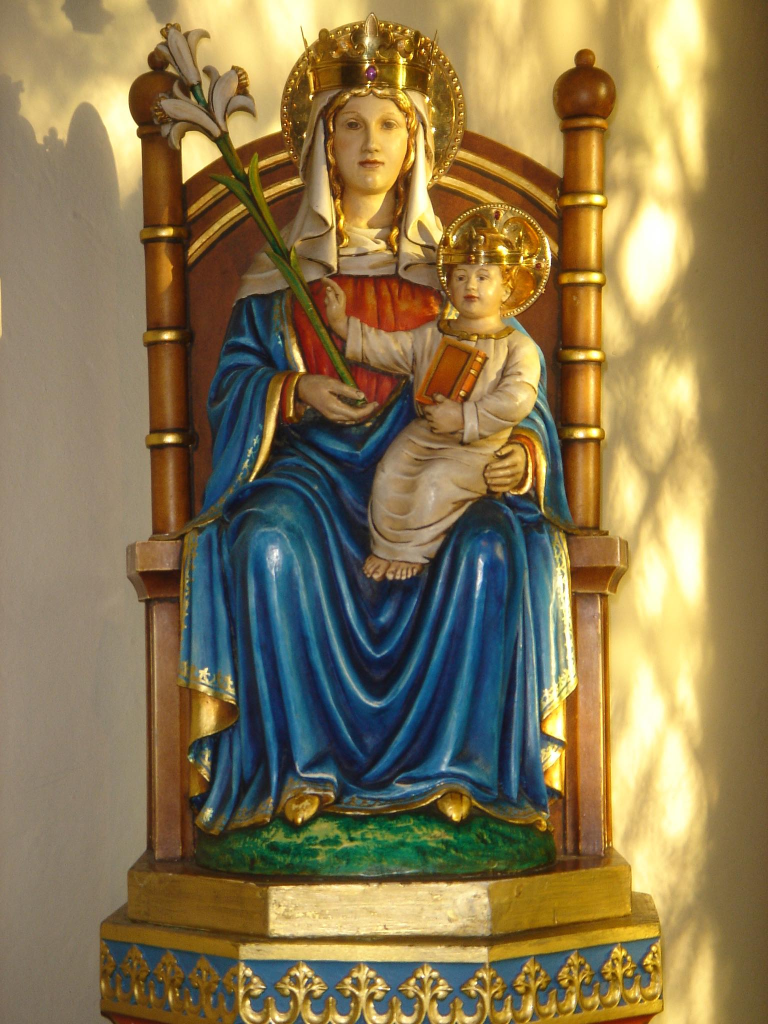
I will be starting my new position as the Mass Office Assistant at the Basilica and National Shrine of Our Lady of Walsingham, which is a renowned Marian pilgrimage site for Catholics in the UK.

That means I will be leaving Hong Kong, my beloved “home sweet home” for 22 years. I know many of you will miss me, especially my family and friends, but please know that you will always be in my prayers!

To all my friends in the UK, especially my friends in London, I am looking forward to seeing you very soon before I head to Walsingham to start my new position!

If you get an opportunity to visit the Basilica and National Shrine of Our Lady of Walsingham, please let me know, and I will be delighted to welcome you to this wonderful and historical Marian pilgrimage site!

Most importantly, please pray for me as I prepare to begin my new journey in the UK!

Our Lady of Walsingham, pray for us!

In Christo Domino,

+Chavez Cyrillus Mariae Poon

感恩經第一式

筆者最近「食飽飯冇嘢做」,翻閱聖週禮儀的《逾越節三日慶典--主的晚餐》,在聖週四「主的晚餐」禮儀的一整頁介紹內,最令筆者矚目的,是關於感恩經的指導建議:

今晚宜用「感恩經第一式」。

也許可以在這裡問一問:大家平時在彌撒中,有沒有曾聽過這篇感恩經?

答案很有可能是:從未。

也許這是梵二後的禮儀改革,在很多人的心中,形成一種「斷層」的原因。在教會內,為數不少的人士,均認為這篇承自傳統拉丁舊禮彌撒的感恩經,不論是當中的概念抑或形式,都已經過時(Out-dated),並與他們不相干(Irrelevant)。

根據羅馬彌撒經書總論第365條:

可遵照下列準則,選擇「彌撒程序」(Ordo Missae)內的「感恩經」:

a)感恩經第一式,亦即羅馬正典(Canon Romanus):(在任何日子,)常可採用。本感恩經,在某些日子,附有特殊的「我們聯合整個教會…」(Communicantes),又在某些彌撒,附有特定的「天主,所以我們懇求你,惠然收納…」(Hanc igitur),因此,在這些日子和這些彌撒,尤其適合採用本感恩經。本感恩經也提及宗徒和某些聖人的名字,因此在他們的慶典上,尤其適合採用本感恩經。本感恩經也適用於主日,除非因牧靈理由,而選擇感恩經第三式。

b)感恩經第二式:因其固有特色,適用於週內的平日,和特殊的情況。本感恩經雖有其固定的頌謝詞,但也可與其他頌謝詞合用,尤其是那些綜合救恩奧蹟的頌謝詞,如通用的頌謝詞。為亡者獻祭時,在「求你也垂念我們的弟兄…」之前,可加念為亡者的特殊經文。

c)感恩經第三式:可與任何頌謝詞合用。本感恩經在主日與慶日尤其適用。若在亡者彌撒中採用本感恩經,在「…仁慈的聖父,求你使散居各處的子女,和你團聚」之後,可加念為亡者的特殊經文。

d)感恩經第四式:附有不可更改的頌謝詞,扼要地陳述整個救恩史。本感恩經可用於沒有專用頌謝詞的彌撒,以及常年期的主日。

在香港,很明顯地是感恩經第二及第三式的使用,佔了絕對優勢。而筆者亦留意到香港大部份的堂區,則是近乎絕對地,採用感恩經第二式。相信很多外藉神父應用本地語言方面的障礙,是其中的一個因素。另一「牧民」理由,則是第二式比較「短」和「簡單」。

按照上述指示,則其實在主日彌撒中,教會是相當鼓勵使用感恩經第一和第三式的;反而第二式則更適合於平日彌撒中使用。

說到這裡,我們就似乎進入了在禮儀的舉行時,在各種合符禮規的做法中,應該如何取捨的問題了。也許可以遲些再返回這題。

在聖週四「主的晚餐」彌撒中,當日的彌撒經文是與感恩經第一式聯繫起來的。大家可以感受一下當中的深義(該日的專有部分,以粗體顯示):

…我們聯合整個教會,慶祝這至聖之日,因為我們的主耶穌基督已為我們犧牲了;我們也首先紀念終身童貞榮福瑪利亞--我們的主耶穌基督天主之母,並紀念聖母的淨配聖若瑟,及你的聖宗徒和殉道者:伯多祿、保祿、安德肋、雅各伯、若望、多默、雅各伯、斐理伯、巴爾多祿茂、瑪竇、西滿和達陡:理諾、格來多、格來孟多、西斯多、高爾乃畧、西彼廉、老楞佐、克利叟高尼、若望和保祿、葛斯默和達彌盎,以及所有聖人;藉他們的功勞和祈禱,求賜我們在一切境遇中,蒙受你的護祐。因我們的主基督。亞孟。

天主,我們懇求你,惠然收納你的僕人和你全家所奉獻的這些禮品:因為我們的主耶穌基督,在這一天,把他聖體聖血的奧跡,託付了他的門徒們,並命令他們以後照樣舉行。求你使我們一生平安度日,脫免永罰,並恩准我們加入你簡選的人群中。因我們的主基督。亞孟。

天主,我們懇求你,降福、接受、嘉納這個祭獻,使成為你歆饗的完美祭獻:就是你鍾愛之子--我們的主耶穌基督的聖體聖血。

他在為了我們和眾人的得救而受難的前一天,也就是今天,把麵餅拿在他神聖而可敬的手中,舉目向天,仰望你、他的全能天主聖父,感謝讚頌你,把麵餅分開,交給他的門徒說…

也許這就是禮儀慶典所紀念「今天」(Hodierna die)所發生奧跡的意義。

不過慶幸的是,筆者留意到最近有部份香港教區的神父都在主日彌撒或一些隆重的瞻禮日或慶日彌撒中採用感恩經第一式,而筆者希望將來香港教區的神父都可以在主日彌撒,甚至平日彌撒中採用感恩經第一式。

為什麼我會在SSPX的舊禮彌撒中輔禮?

相信大家都知道,筆者最近在香港的聖庇護十世司鐸兄弟會(SSPX)團體的舊禮彌撒中輔禮,你們可能會問,為什麼我會在SSPX的拉丁彌撒中輔禮?

首先,筆者想分享一下SSPX在香港的團體。

SSPX在香港是沒有任何聖堂或彌撒中心,因為他們在天主教會內的「非常狀態」(Canonical Irregular),所以他們只可以租用一間酒店內的會議室作為他們的臨時小聖堂,加上因為神父短缺,他們只可以每個月舉行一次主日彌撒。

SSPX在香港的團體,其實是一個非常之小型的團體,大部份都是菲律賓外傭,其次是來自大陸的教友,而本地的教友其實是佔極度少數的(包括筆者本人)。

關於筆者為什麼在SSPX的舊禮彌撒中輔禮,其實整件事是這樣的:

記得上年聖誕節,筆者應友人的邀請一起參加SSPX的聖誕舊禮彌撒,其實那時候筆者已經曾經在日本東京參加過SSPX的舊禮彌撒,當我到了他們的臨時小聖堂,並準備祈禱的時候,一位教友上前問我:「唔好意思啊,你識唔識輔舊禮彌撒?」我回答他說:「我識輔啊。」

之後那位教友對我說:「咁你可唔可以今日幫手做輔祭?因為我哋本身係冇輔祭。」那時候我呆了一秒,然後答應這個突如其來的「邀請」。

想都沒有想到,筆者人生第一次在香港參加SSPX的舊禮彌撒,就已經要「出山」做輔祭。(笑)

其實最特別的是,當日彌撒的主禮是來自法國的費奕峰神父(Fr. Yvon Fillebeen),他本身是一位在台灣服務的巴黎外方傳教會會士,但因為某些原因,他離開了巴黎外方傳教會並加入聖庇護十世司鐸兄弟會,現時他在新加坡服務。而且因為他曾經在台灣服務多年,所以他可以說一口流利的國語。

當日彌撒結束之後,那位教友就邀請我每個月一次來協助他們輔禮,我最後答應了這個邀請,所以現時筆者每個月一次會到香港SSPX團體的舊禮彌撒中協助輔禮。

其實有很多人誤會我是裂教者以及異端,因為他們對SSPX的負面印象,但其實SSPX並不是異端以及裂教,他們多年前擅自祝聖主教事件的自科絕罰令已經在2009年1月21日由當時的教宗本篤十六世撤銷。

身為一位輔祭,筆者每一次輔禮(無論是新禮彌撒或者舊禮彌撒),都是服務天主,雖然SSPX在羅馬天主教會內並不是完全共融的團體,但筆者希望有生之年可以見證SSPX再一次與羅馬天主教會再一次共融合一。

如果大家想了解更多,可以歡迎觀看此影片:

Why I serving the SSPX Latin Mass?

Many of you may know that I currently serve at the Tridentine Latin Mass for the Society of St. Pius X (SSPX) community here in Hong Kong. You might wonder why I choose to attend and serve at the SSPX Latin Mass, so I would like to share my experiences and motivations.

Let me begin by introducing the SSPX community in Hong Kong.

The SSPX community here is quite small. Due to their “canonical irregularity” within the Roman Catholic Church, they do not have their own church or chapel. Instead, they gather in a modest conference room inside a hotel, which is temporarily transformed into a chapel for Mass. Despite the humble setting, the community is dedicated and reverent, striving to preserve the traditional liturgy and practices of the Church.

Public Mass is held only once a month, as the priest is usually able to come to Hong Kong just once a month from different locations. This infrequency makes each gathering especially meaningful for the faithful.

Most of the attendees at the SSPX Latin Mass in Hong Kong are Filipino domestic workers. There are also some foreigners and even Chinese from Mainland China. As for Hong Kong locals, there are only a few of us, myself included. Despite our small numbers, the sense of unity and shared faith is strong.

Serving at the SSPX Latin Mass has deepened my appreciation for the beauty and solemnity of the traditional liturgy. The sense of reverence, the use of Latin, and the rich symbolism all contribute to a profound spiritual experience. Even though our community is small and lacks a permanent place of worship, the commitment and faith of its members are truly inspiring. This environment has strengthened my own faith and motivated me to serve with greater devotion.

Now, I would like to share how I became the Altar Server for the SSPX Community in Hong Kong.

I remember being invited by a friend, a fellow Hong Kong local, to attend the SSPX Latin Mass on Christmas Day last year. When I arrived at the temporary chapel and began praying before the Holy Mass, one of the helpers approached me and asked:

“Excuse me, do you know how to serve the Latin Mass?”

I replied, “Yes.” The helper then said, “Can you serve today’s Mass? Because we don’t have an Altar Server!”

I agreed, “Sure!”

I was very grateful that the priest allowed me to assist him at that Christmas Mass. Afterward, the helper thanked me for serving and asked if I could help them once a month. I was delighted to accept this invitation.

Unfortunately, many local Catholics think I am in schism because they believe the SSPX is in schism. However, I want to clarify that the SSPX is not in schism; their excommunication was lifted many years ago, although they are still not in full communion with the Vatican. I sincerely hope that one day the SSPX will be fully reconciled with the Roman Catholic Church.

Serving at the SSPX Latin Mass has been a blessing in my life. It has allowed me to witness the dedication of a small but faithful community, to experience the richness of the traditional liturgy, and to grow in my own faith. I am grateful for the opportunity to serve and to be part of this unique community in Hong Kong.

My Facebook friends, please protect me just as I protect you!

Someone just sends you a friend request on Facebook. Confirm? or Decline?

On Facebook. I often receive some friend requests from other people I do not immediately recall. For those who know me, I am not willing to confirm the request blindly. I worry that once I connect with a stranger, the stranger will use my connections to connect with my friends. If my friends are careless in accepting invitations, my blind confirmation will put my friend in jeopardy.

Therefore, if I do not recall the person immediately, I often look at their profile. If the profile brings some memory or tells some connection I have with the person in real life, a confirmation will be issued.

The problem is some people do not show much on their profile. A decline is almost immediate.

At other times, the profile tells something but is not enough for me to decide. In this case, I often message the person:

Good day, xxx. Received your Facebook friend invitation. Glad but will need some basic information before I can accept your invitation. Do you mind giving me a brief self-introduction?

If a self-introduction is not received in a week, the invitation is deleted.

My dear Facebook friends, I hope you will adopt a similar strategy to protect me just as I do for you. Safe Facebooking!

Evangilizing through daily action

I had a discussion with my friends few months ago about how to evangilizing someone to let them know about the Catholic faith, many of them had their own ideas, but I want to share my idea which is a very good example about evangilizing people.

I remembered when I was in secondary school while I’m having my lunchbreak, I usually pray the rosary in the playground, then one day one of my classmate saw me praying the rosary, then he come over to me and asking what I’m doing, I told him that I’m praying the rosary, because my classmate is a non-Catholic, he was very interest about the rosary, so I briefly explained to him, after that, he decided to pray the rosary together with me then eventually, he was baptized as Catholic few years ago. Deo Gratias!

Jesus told us to spread the Gospel into the world, we should also know how to evangilize to the people, many people think they didn’t know more about the Gospel, it dosen’t matter, if you know how to pray, especially the rosary, try to pray either when you in the streets or inside the MTR.

Although some people might look at you what are you doing, but this ok, don’t be afrard, just pray for the person who are curious about what are you doing.

Most of all, try your best to evangelize the whole nations through your daily actions!

教會傳統與福傳

毫無疑問,教會是一個傳教性的團體。若我們仔細閱讀《教會憲章》與《在新世界中福傳》的通諭時,我們就不難發現教會的使命就是不斷地宣揚天主的工程、天主的國等。這種使命不是來自其他任何人,而是來自耶穌基督。他就是為此事而來(路4:43 谷1:35-41)。他派遣門徒與宗徒也是為了這事(瑪10 谷6:7-13 路9:1-6;10:1-12)。他在升天前,把這神聖的使命交給他的弟子們(瑪28:18-19 谷16:15),好使他的工作得以延續。

今日的教會不忘主的教導,在繁華的城巿、貧困的鄉村,傳揚福音不遺余力,使基督的福音、好消息家喻戶曉,正所謂「飛入尋常百姓家」。例如,每當教友在堂區舉行婚禮時,有不少的教外人也會來參觀他們的婚禮,甚至信仰不同的婚姻也在彌撒中完成。一些年長的教友喜歡帶一些非教友或慕道者參與彌撒,培養他們的信德,為他們的將來入門聖事做准備。懷有這樣良好的目的與意向無可非議。我們的確不好意思打擊他們這種負起傳播福音責任的積極性和傳教的熱忱!

不過,筆者一直很清楚地記得東、西方教會都有所謂的Disciplina Arcani(Discipline of secret)。就是說,初期教會在進入彌撒的第二部份時,就會遣散所有的慕道者,因為他們不能參與其中,他們還不是「家人」,他們還是「外人」。

所以,遣散他們。若這是教會傳統的話,雖然,梵二后不再那麼強調,那麼,我們該不該讓一個非教友,沒有信仰的人參與彌撒呢?福傳是不是就可以放棄教會的傳統呢?

反過來,若持守所謂的教會傳統,就Disciplina Arcani而言,是不是一定就好呢?的確,耶穌在舉行最后的晚餐沒有「外人」,但是,這是不是說現在的彌撒中也不可以有「外人」呢?

放棄傳統還是抓住機遇,筆者個人認為,就現時在香港目前的情況而言,的而且確是個兩難的問題。